





Room
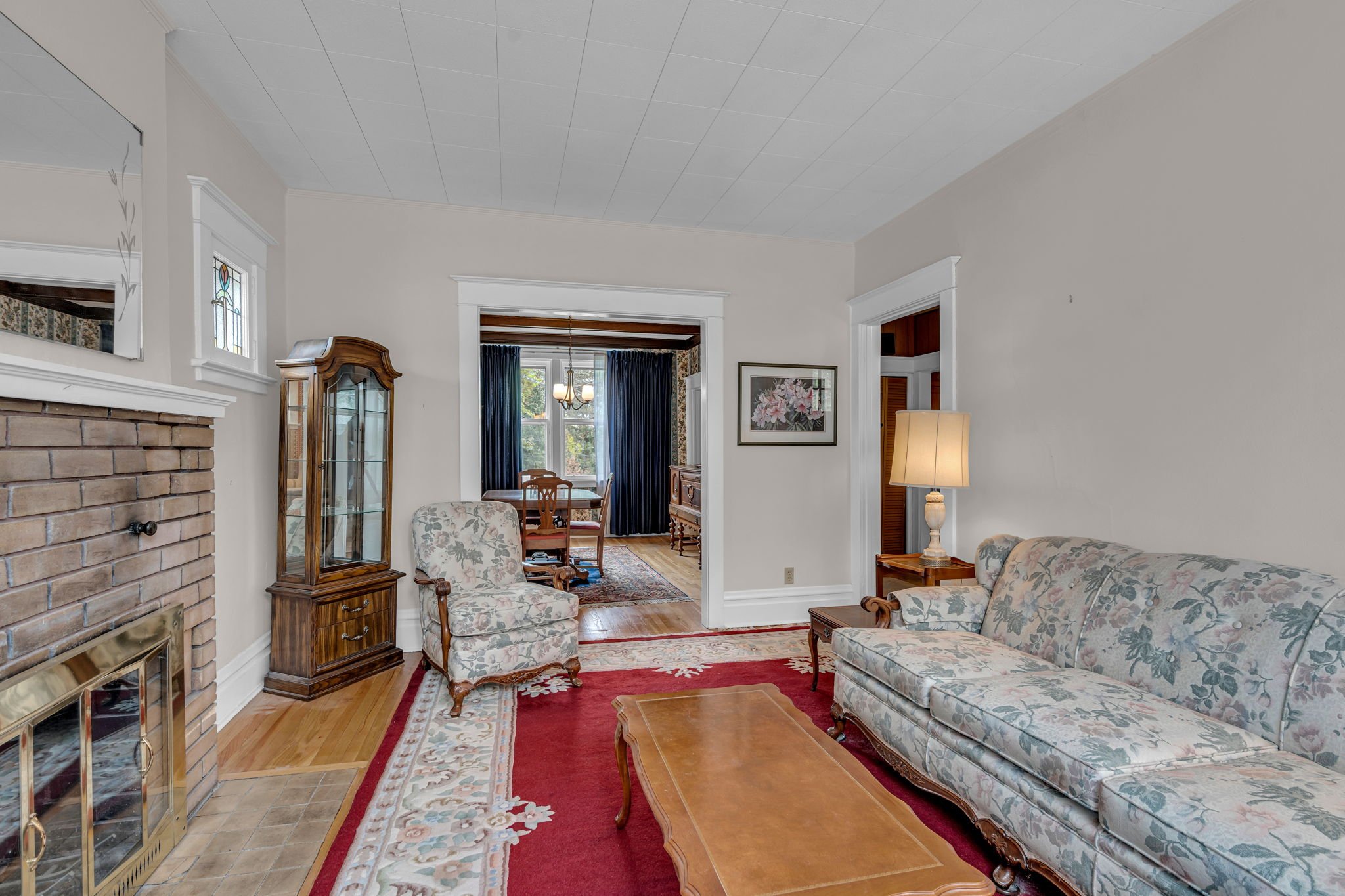
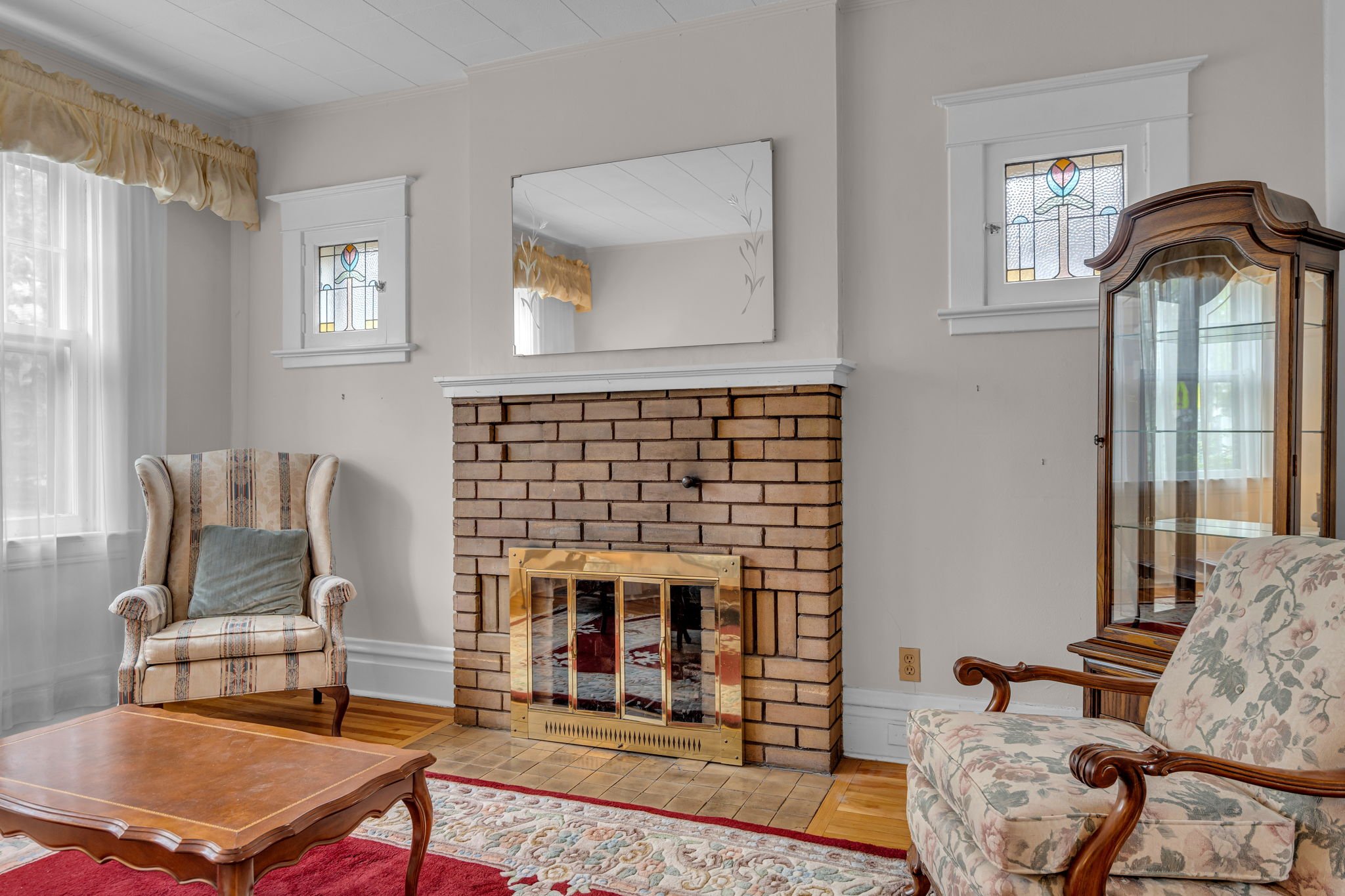
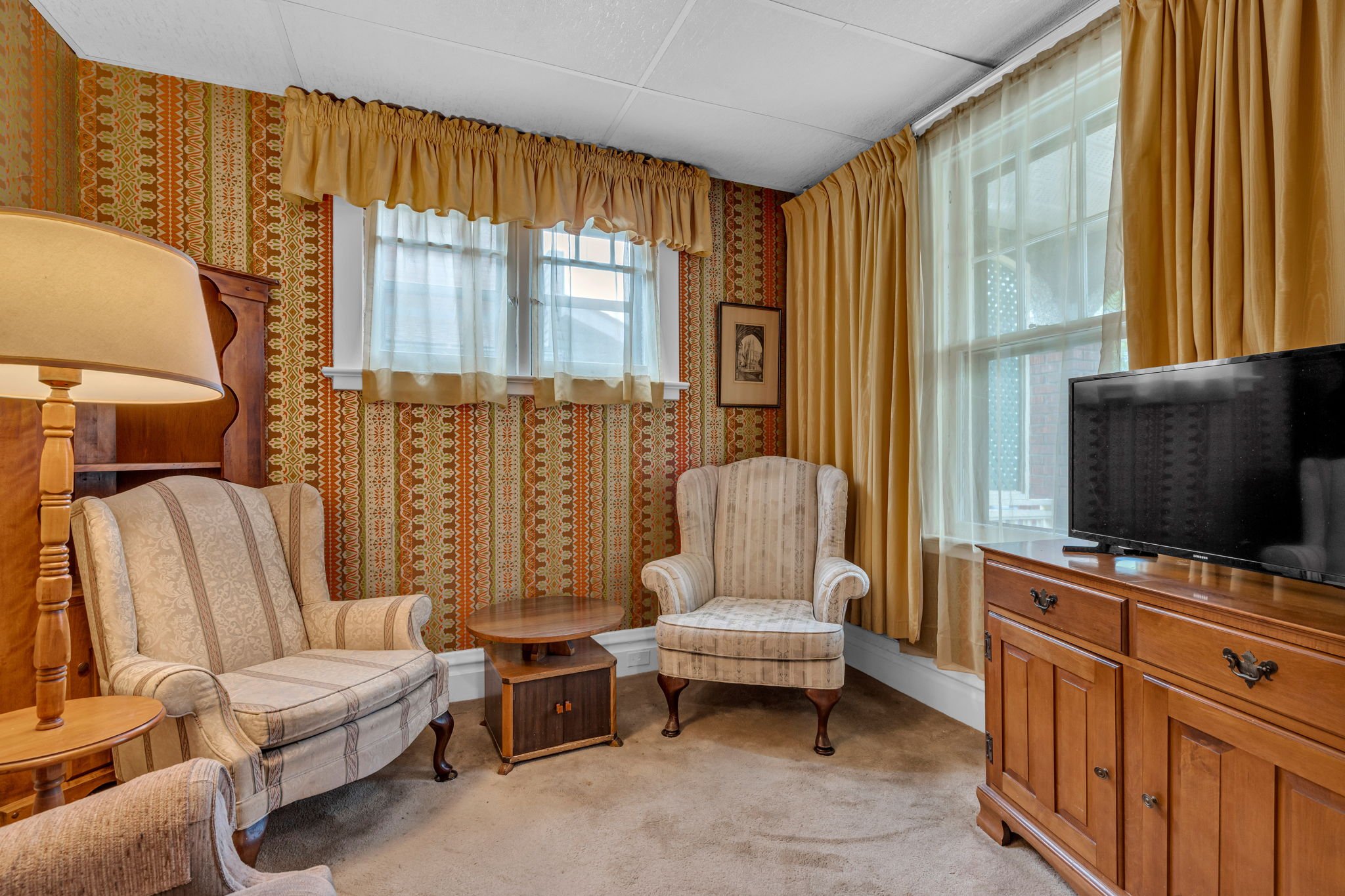
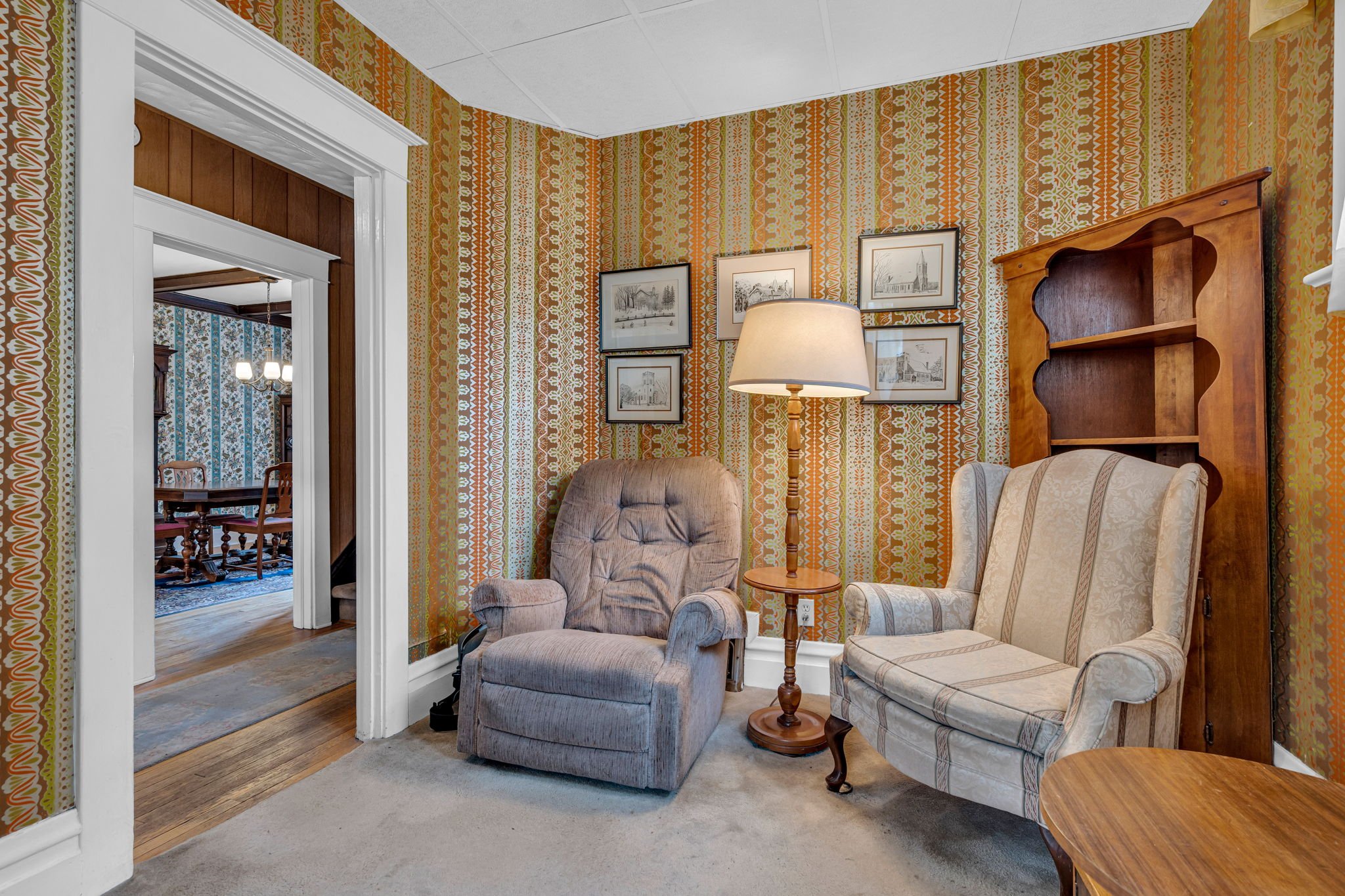
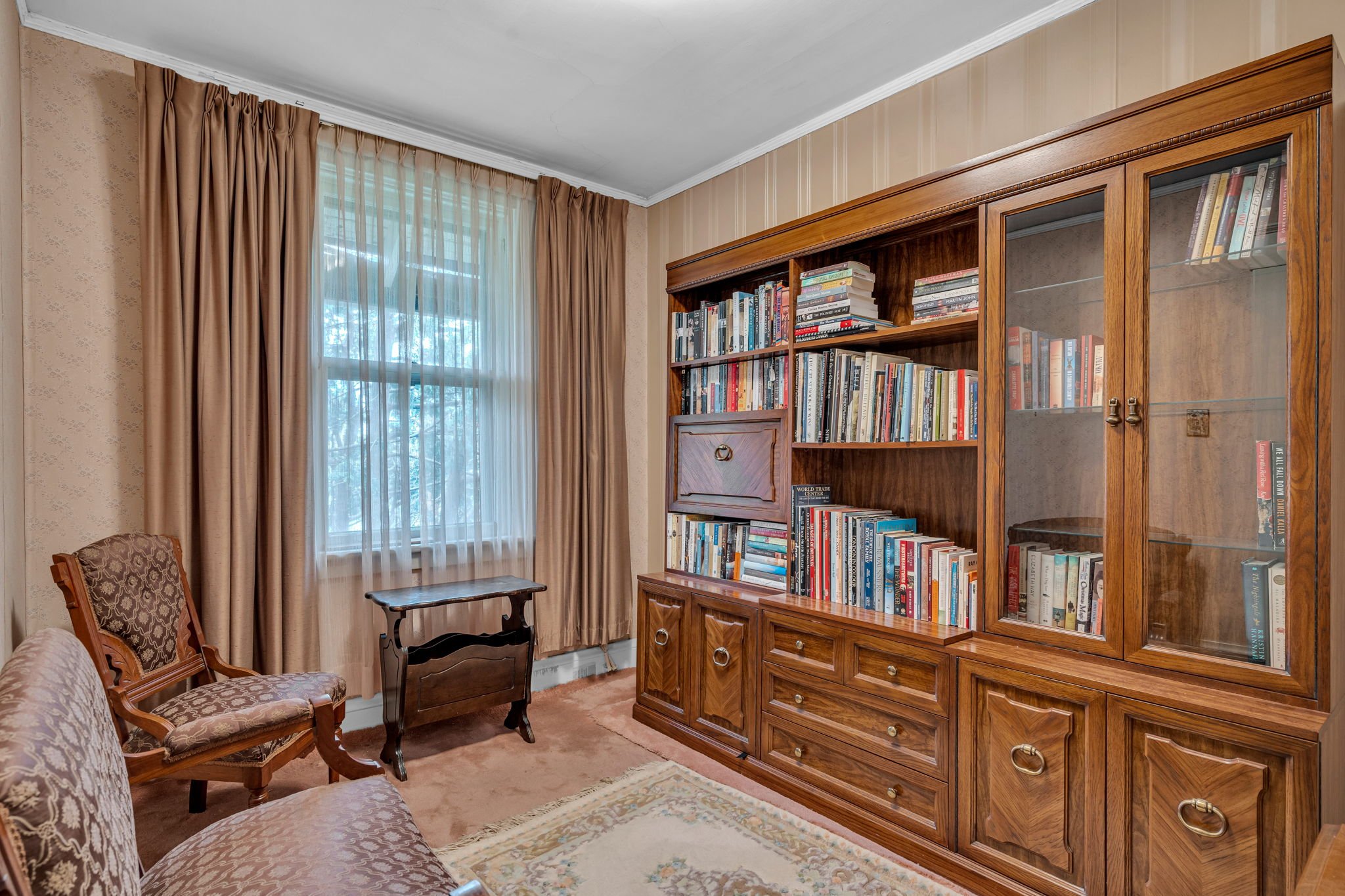
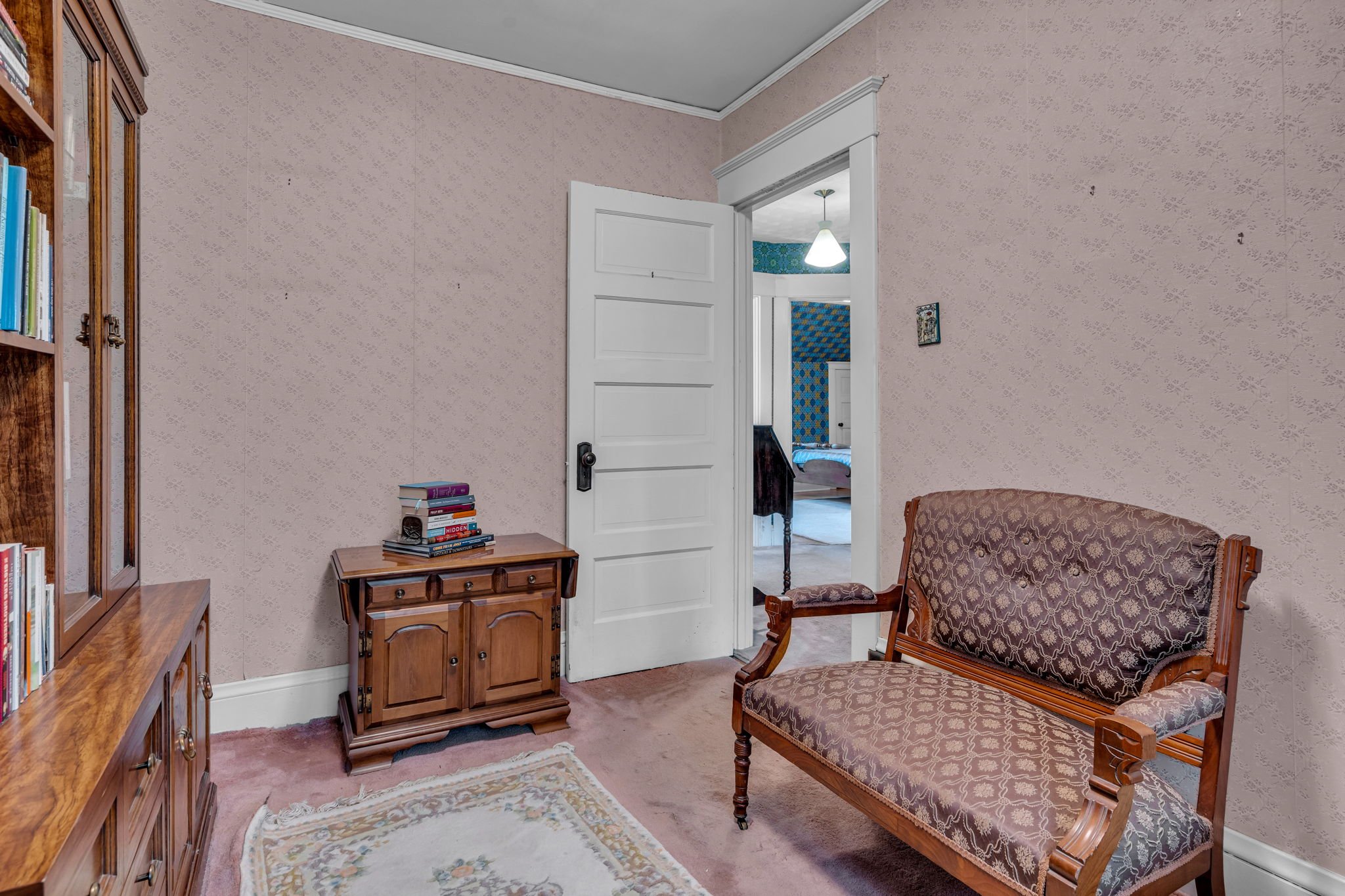
Living Rm: Den:
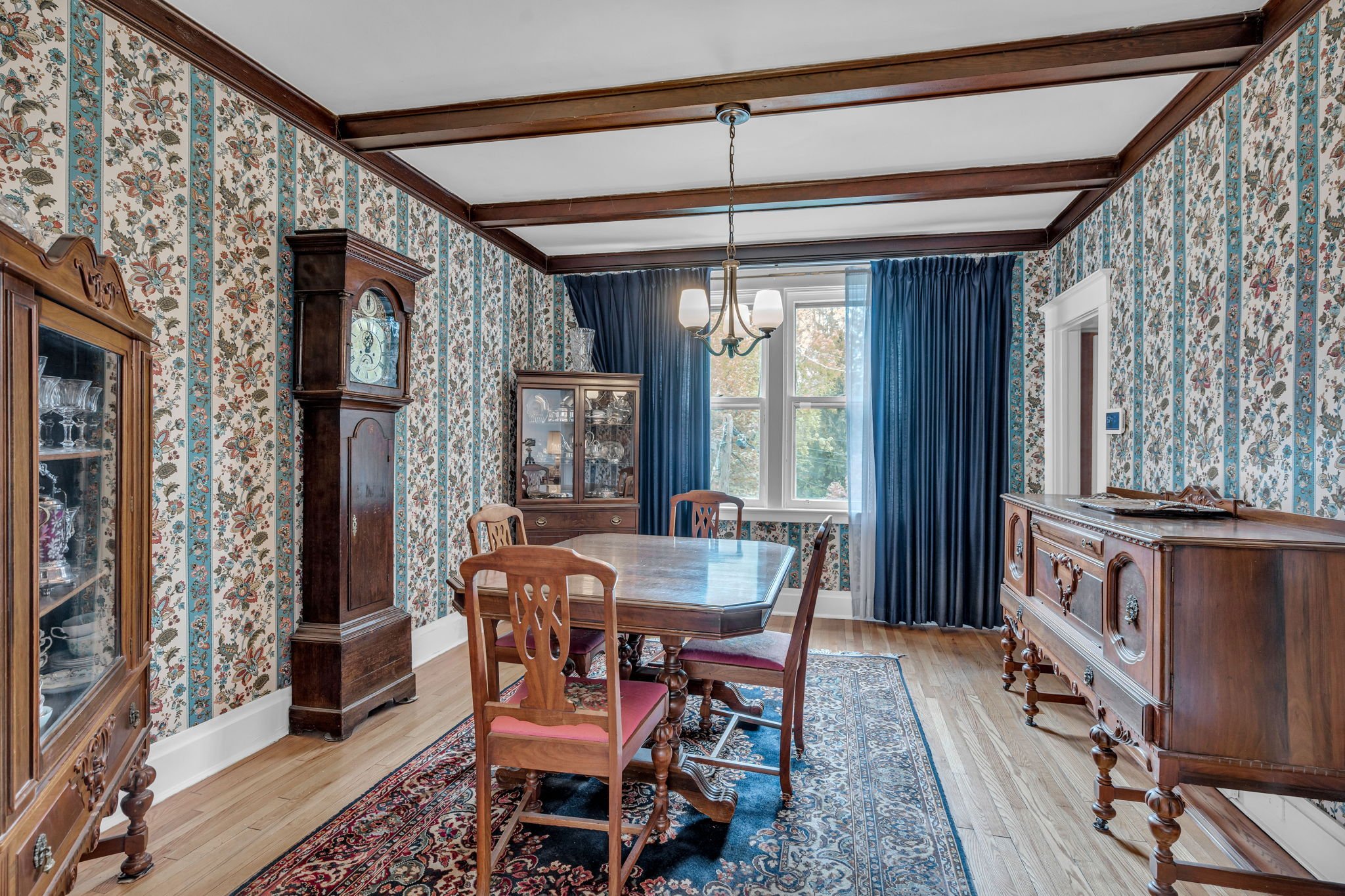
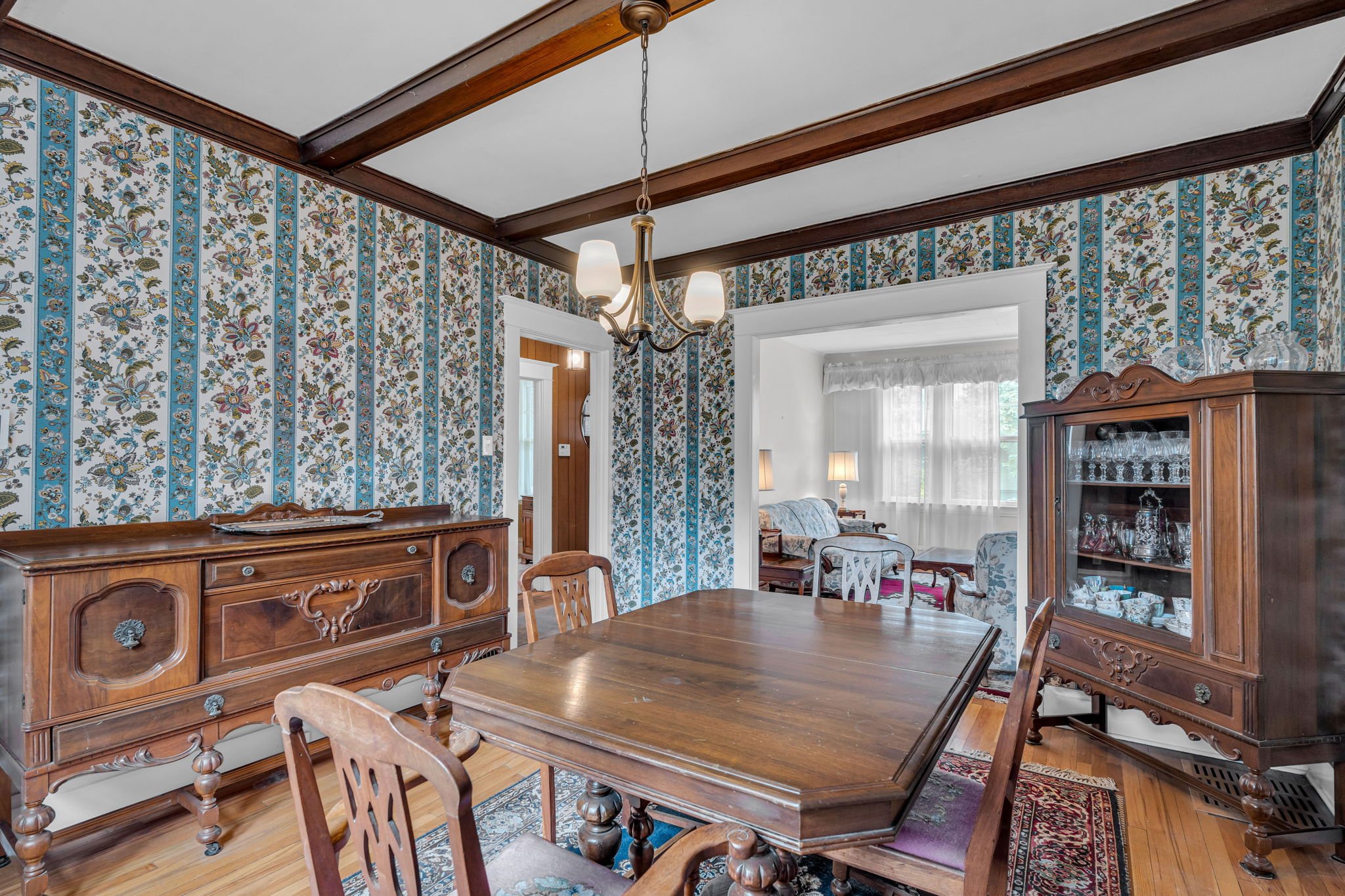
Dining Rm:
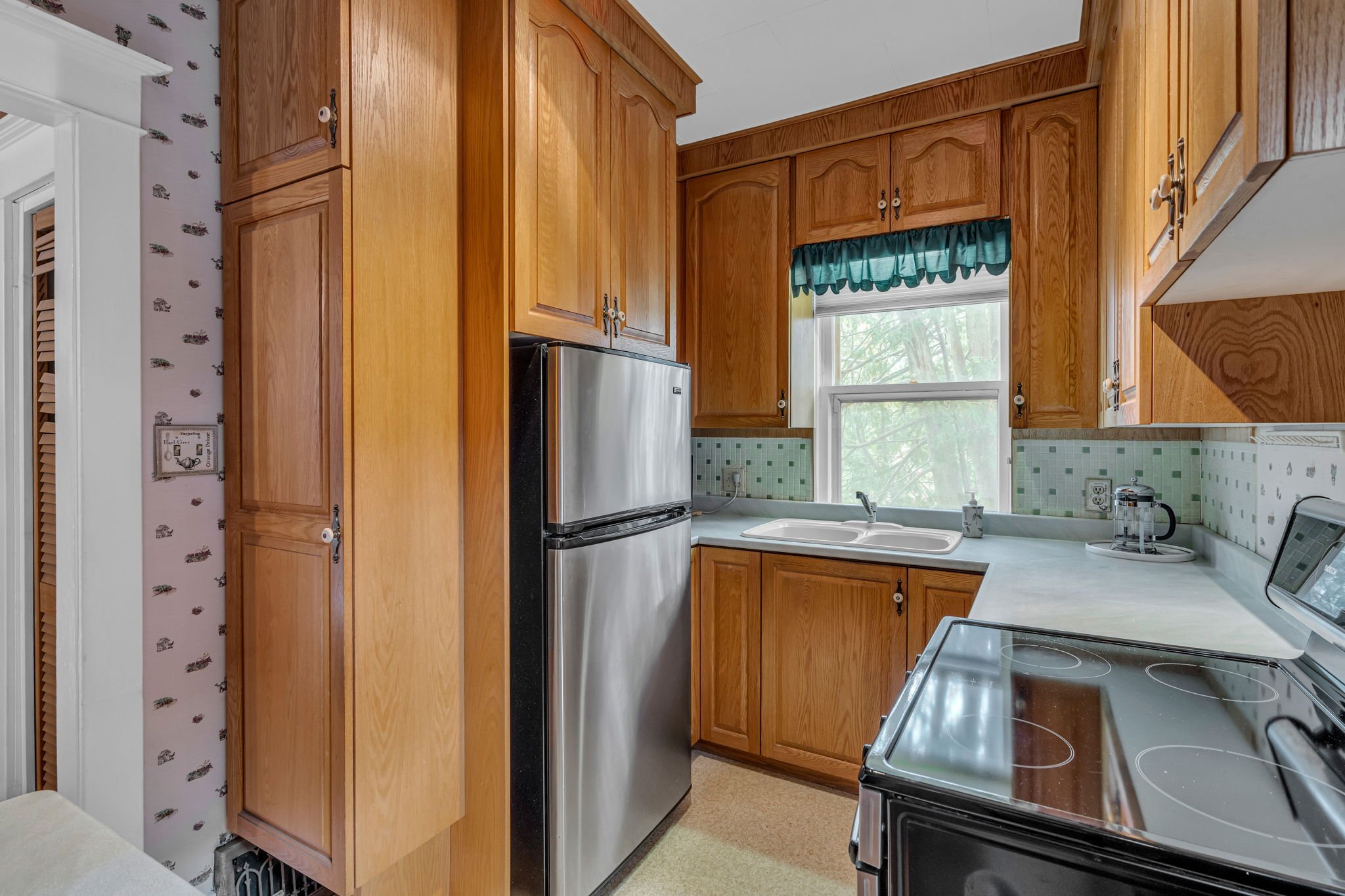
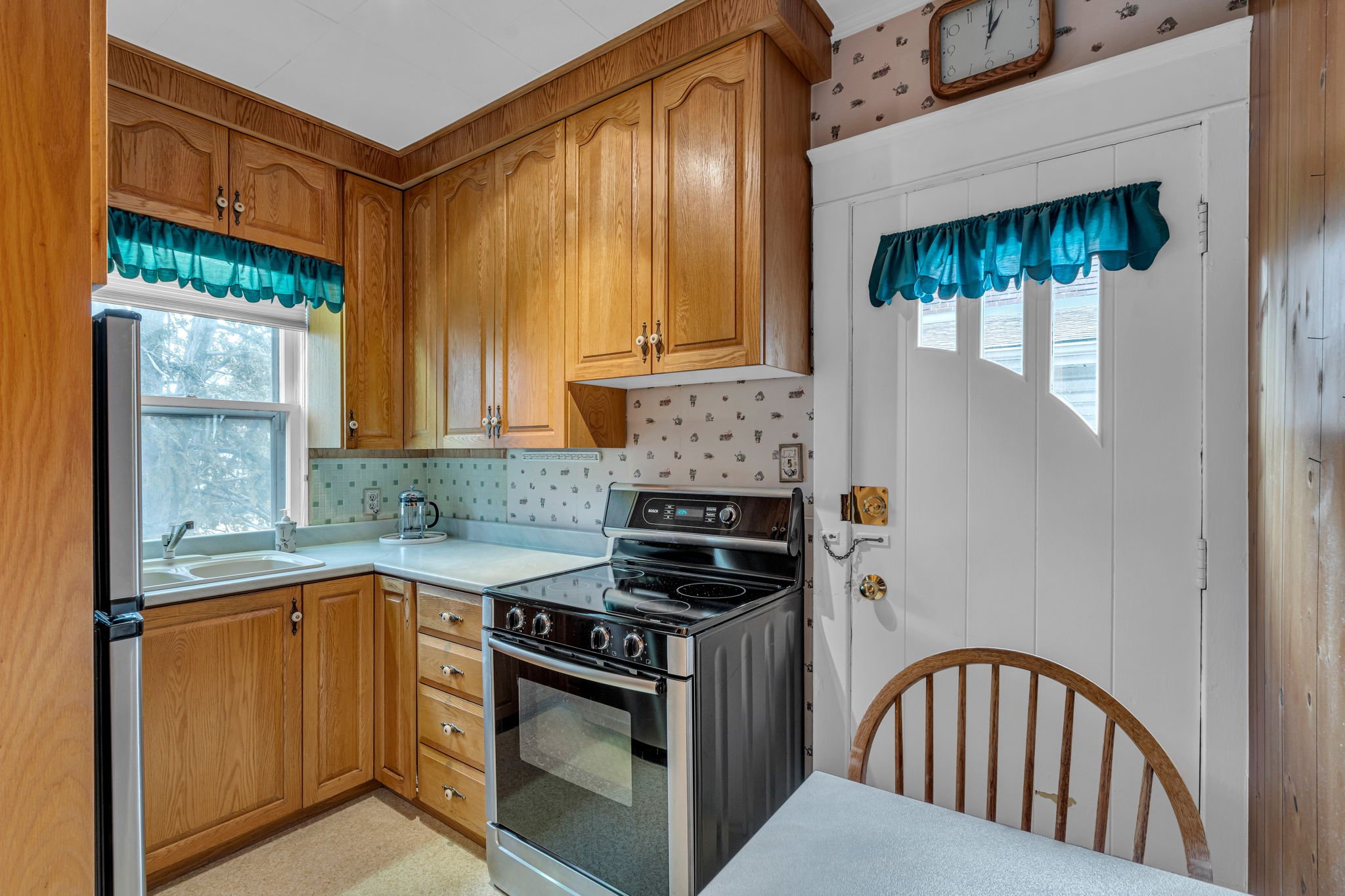
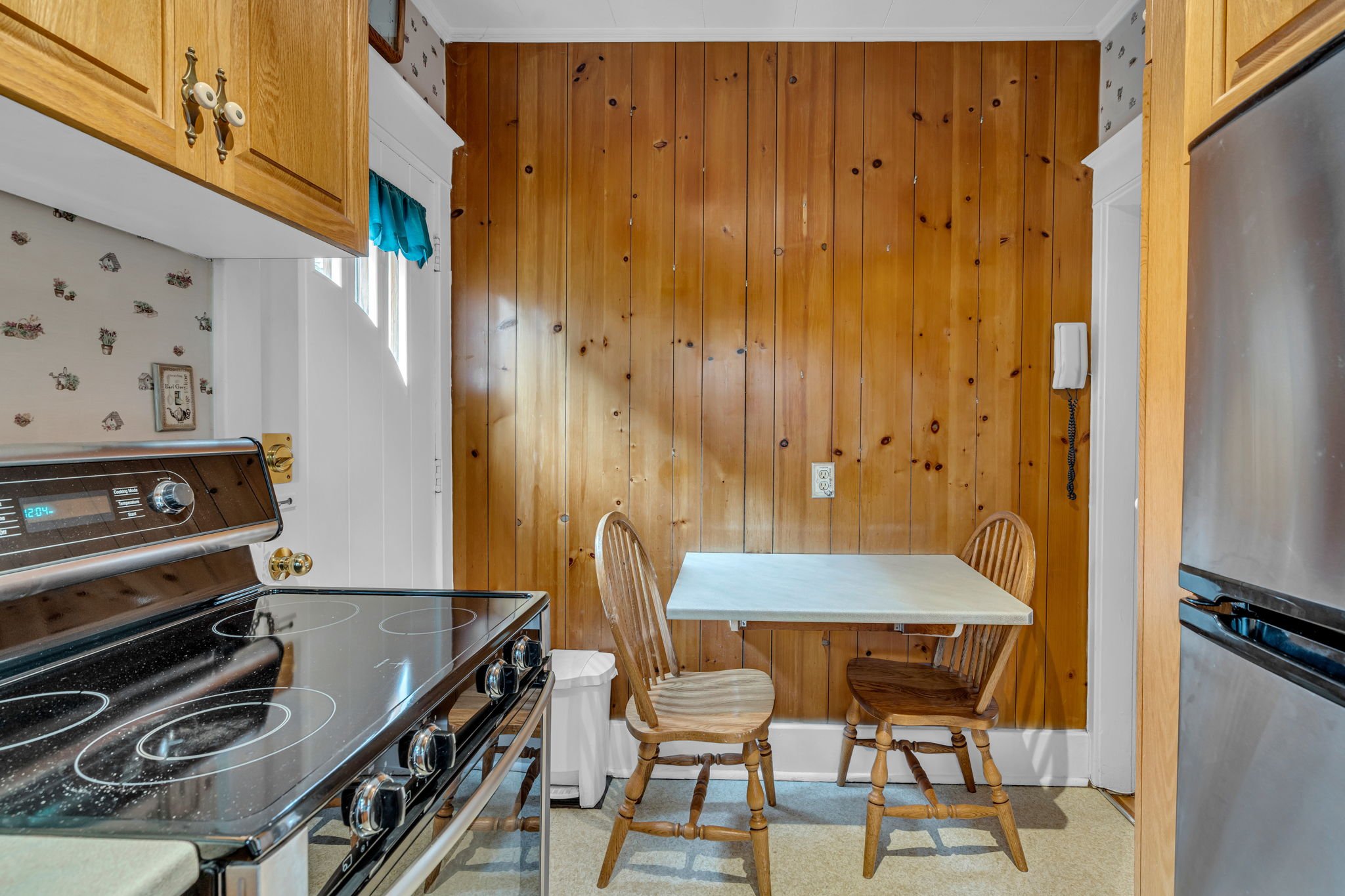
Kitchen:
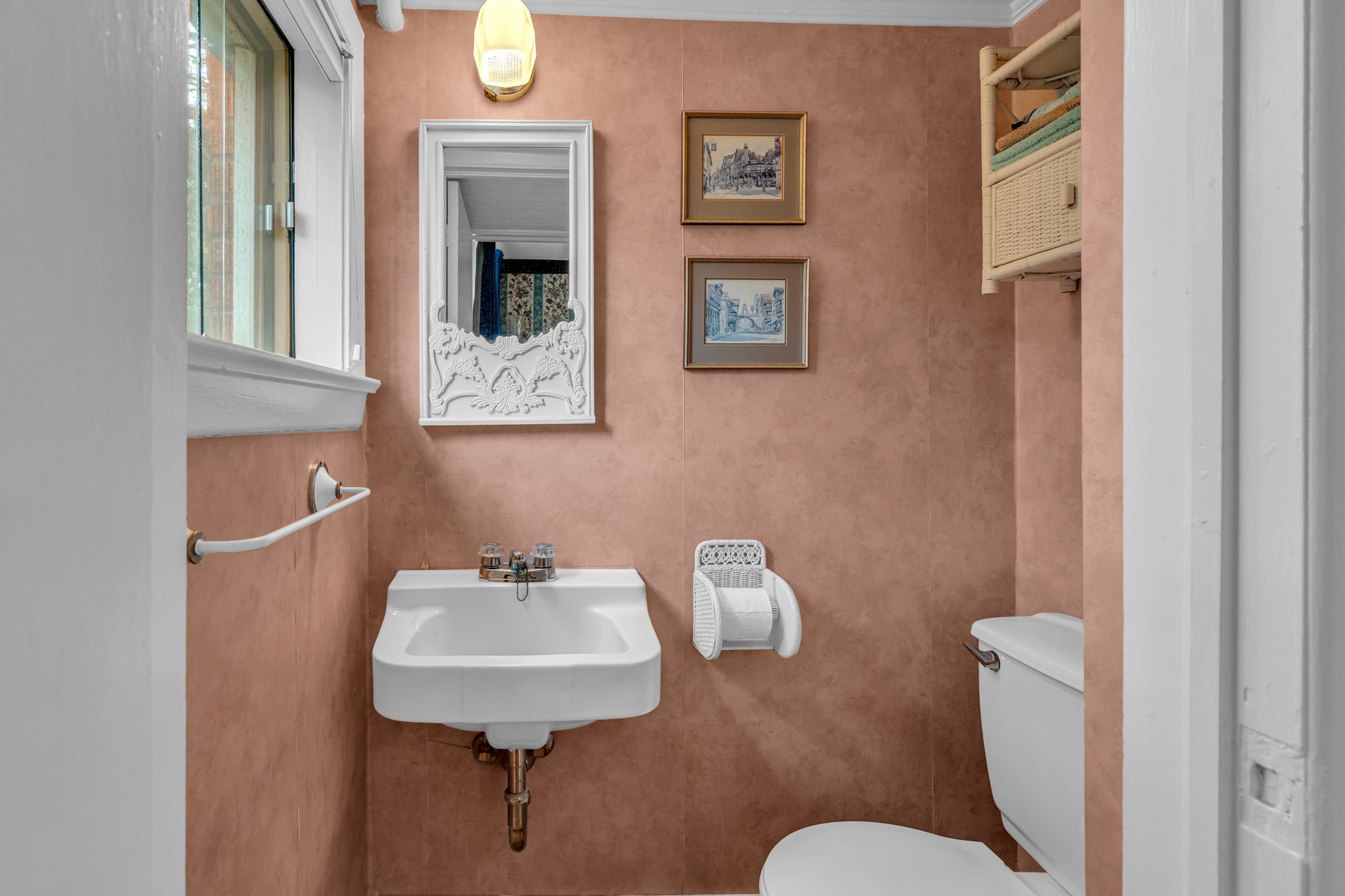
2pc Bath:
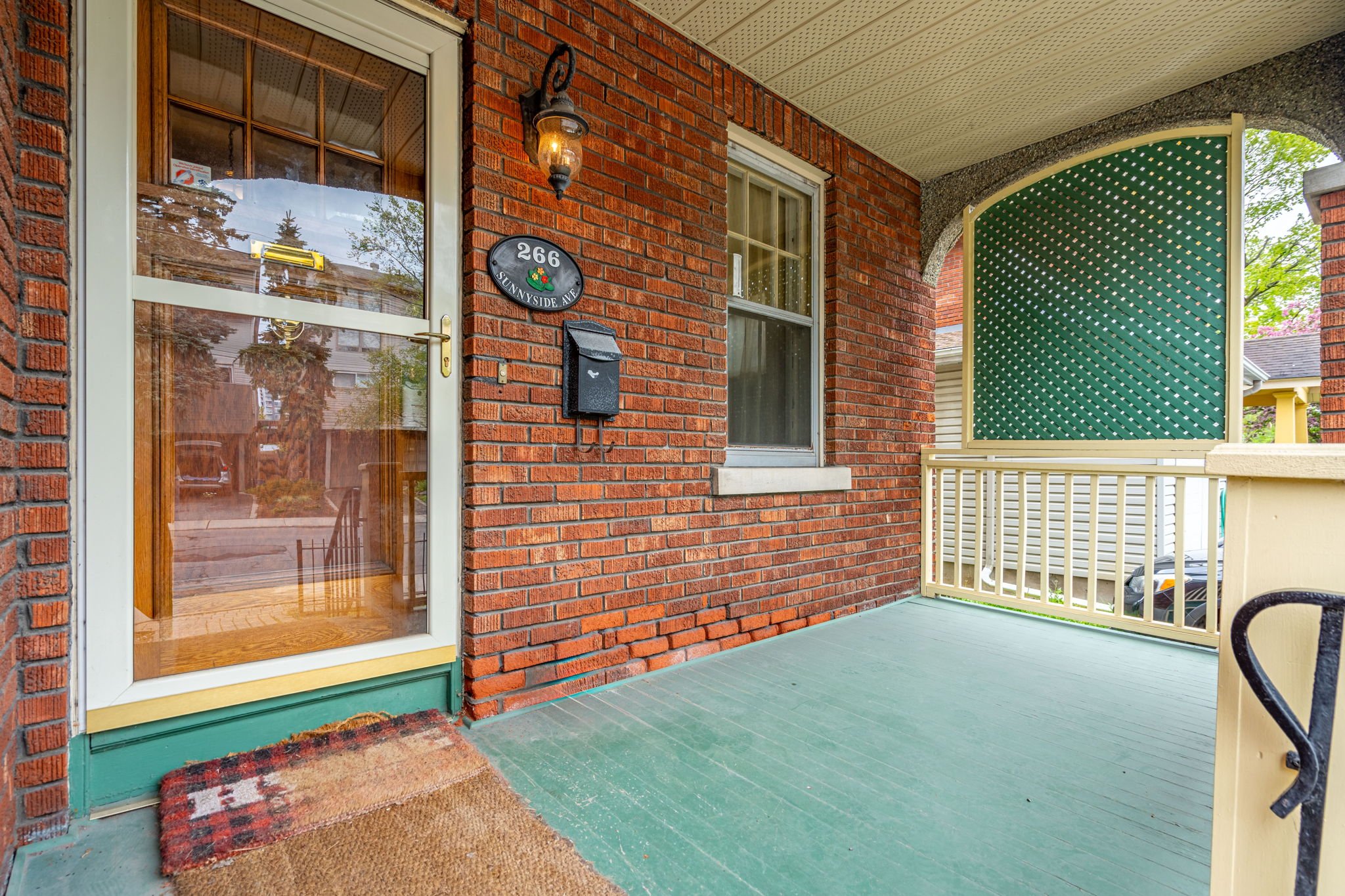
Porch:
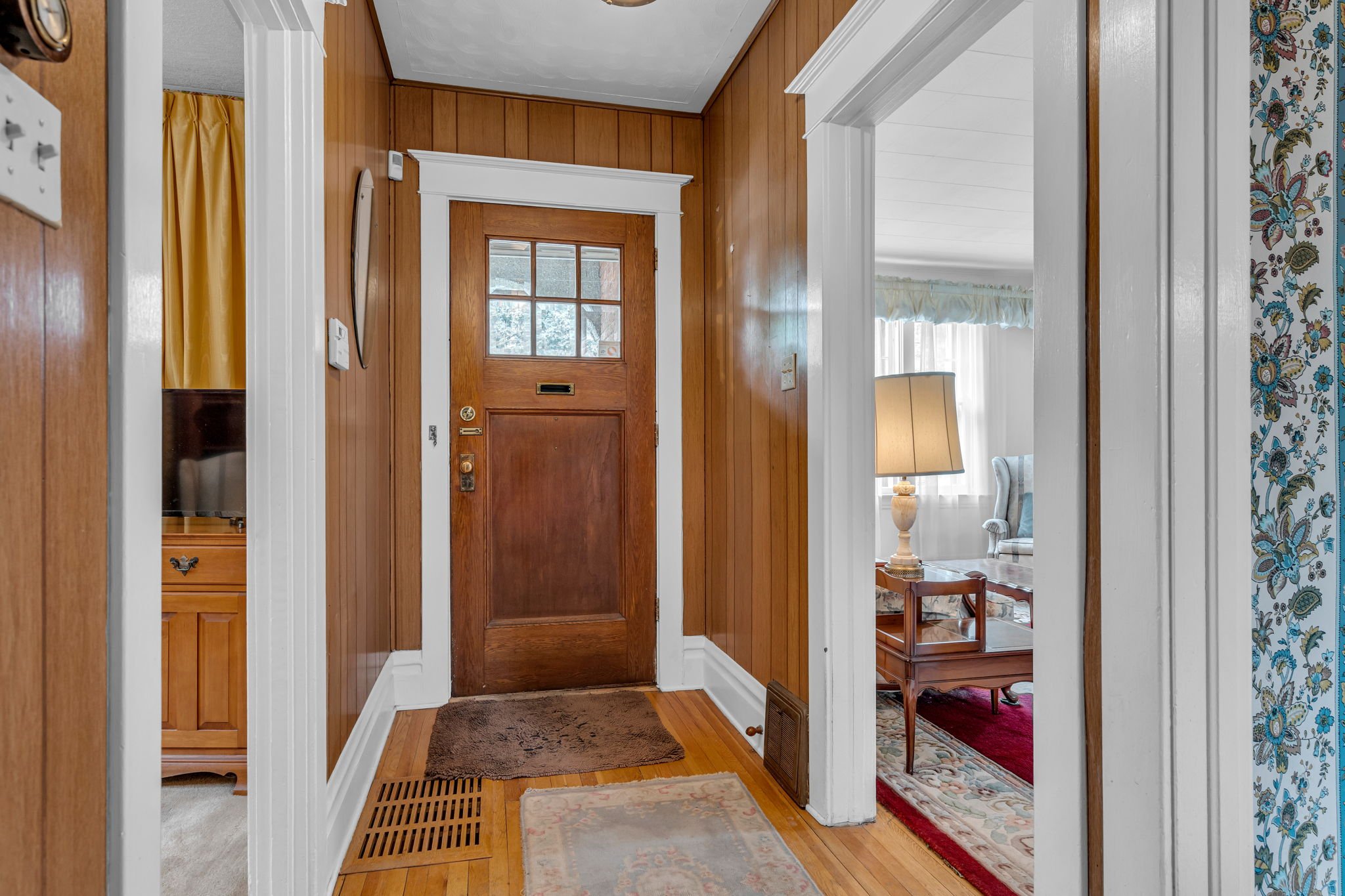
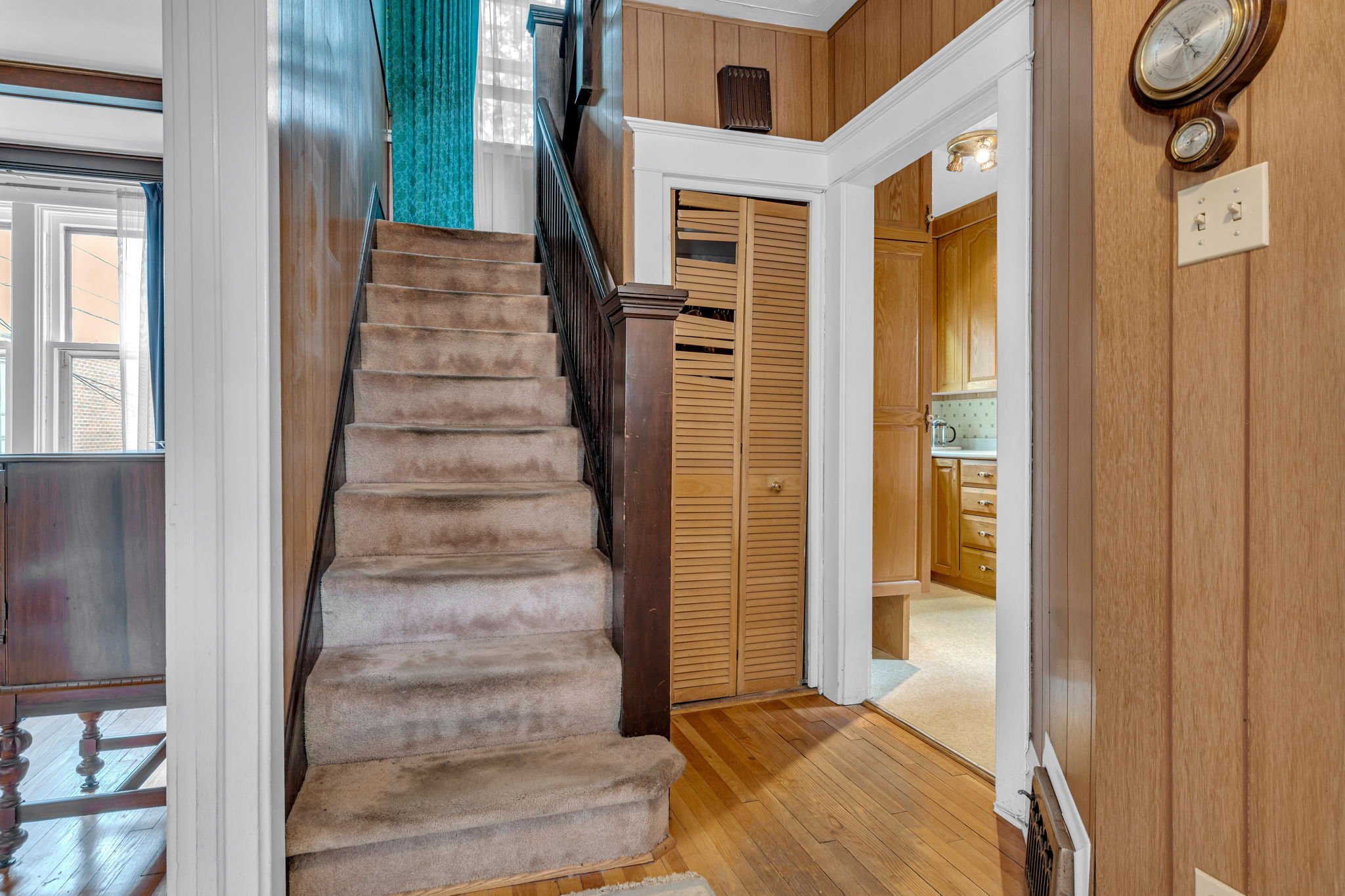
Foyer:
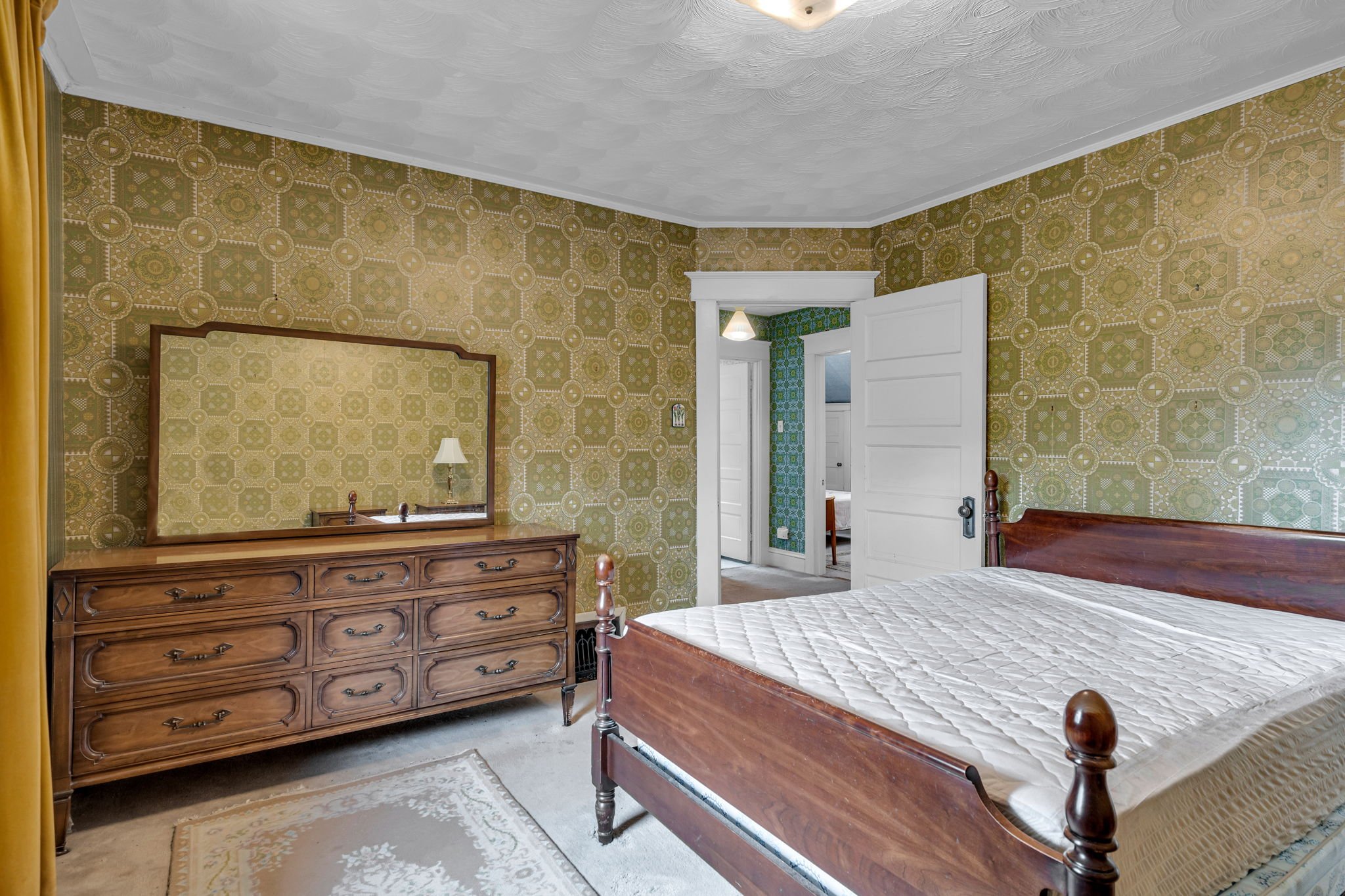
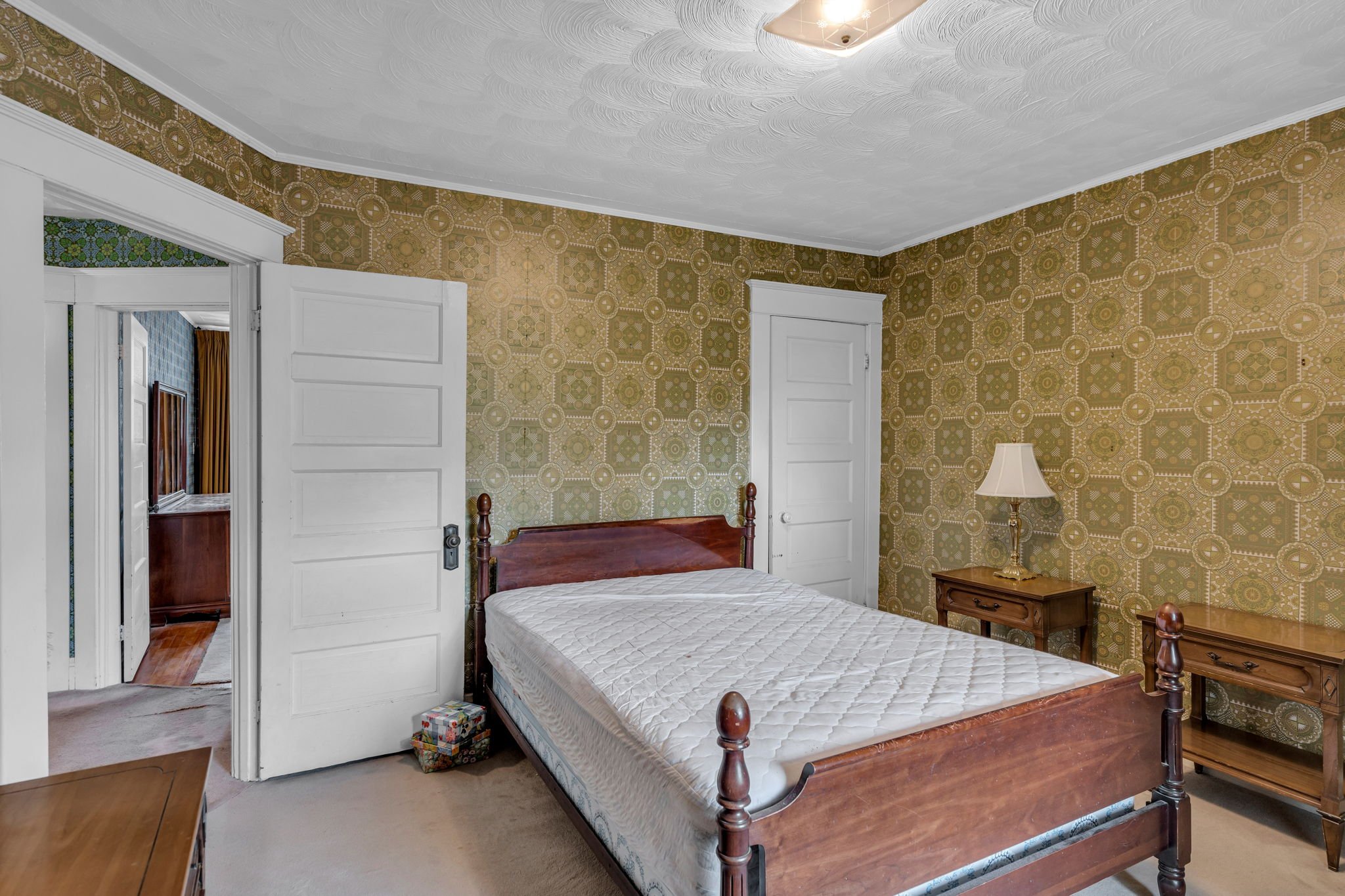
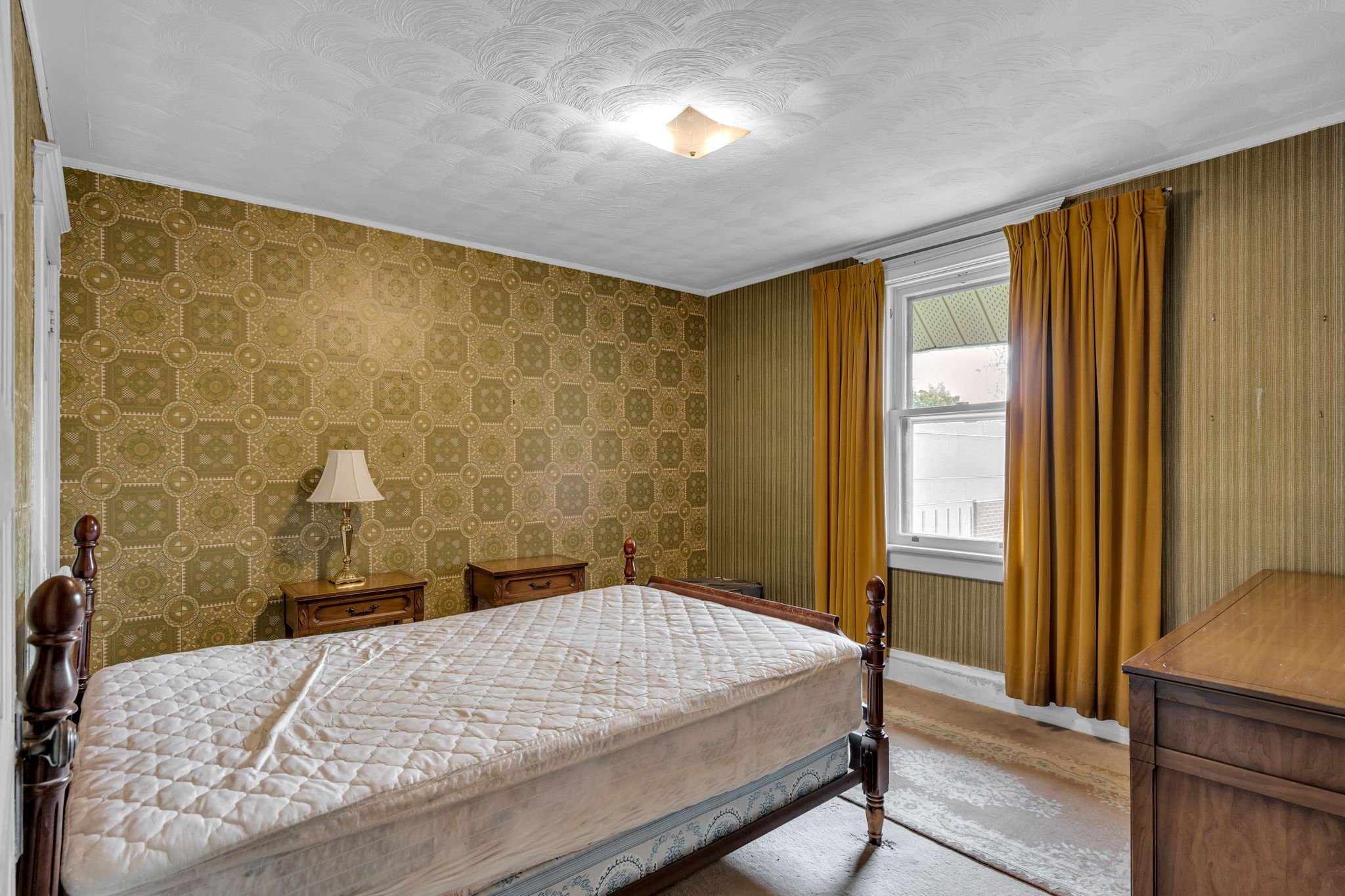
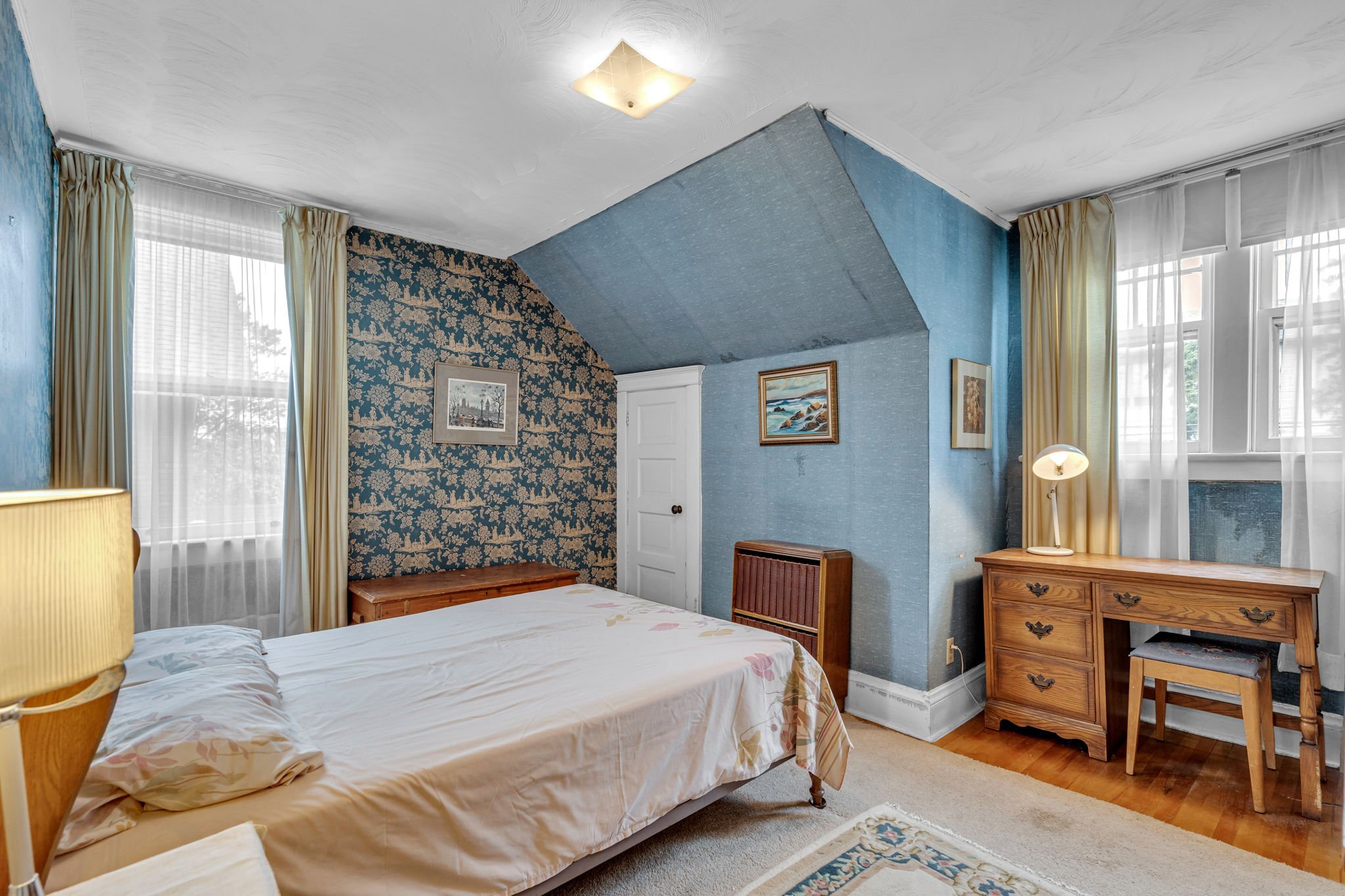
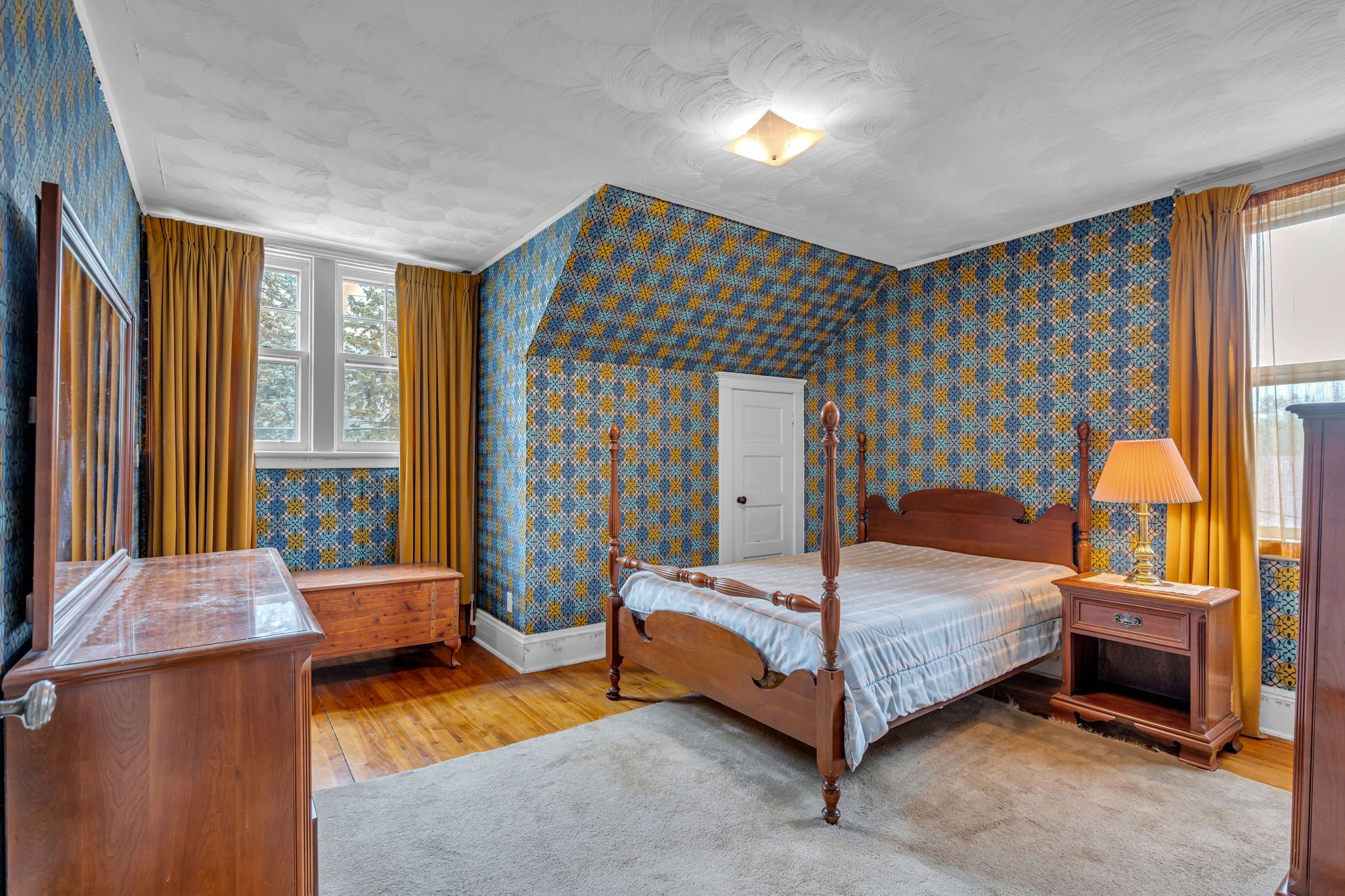
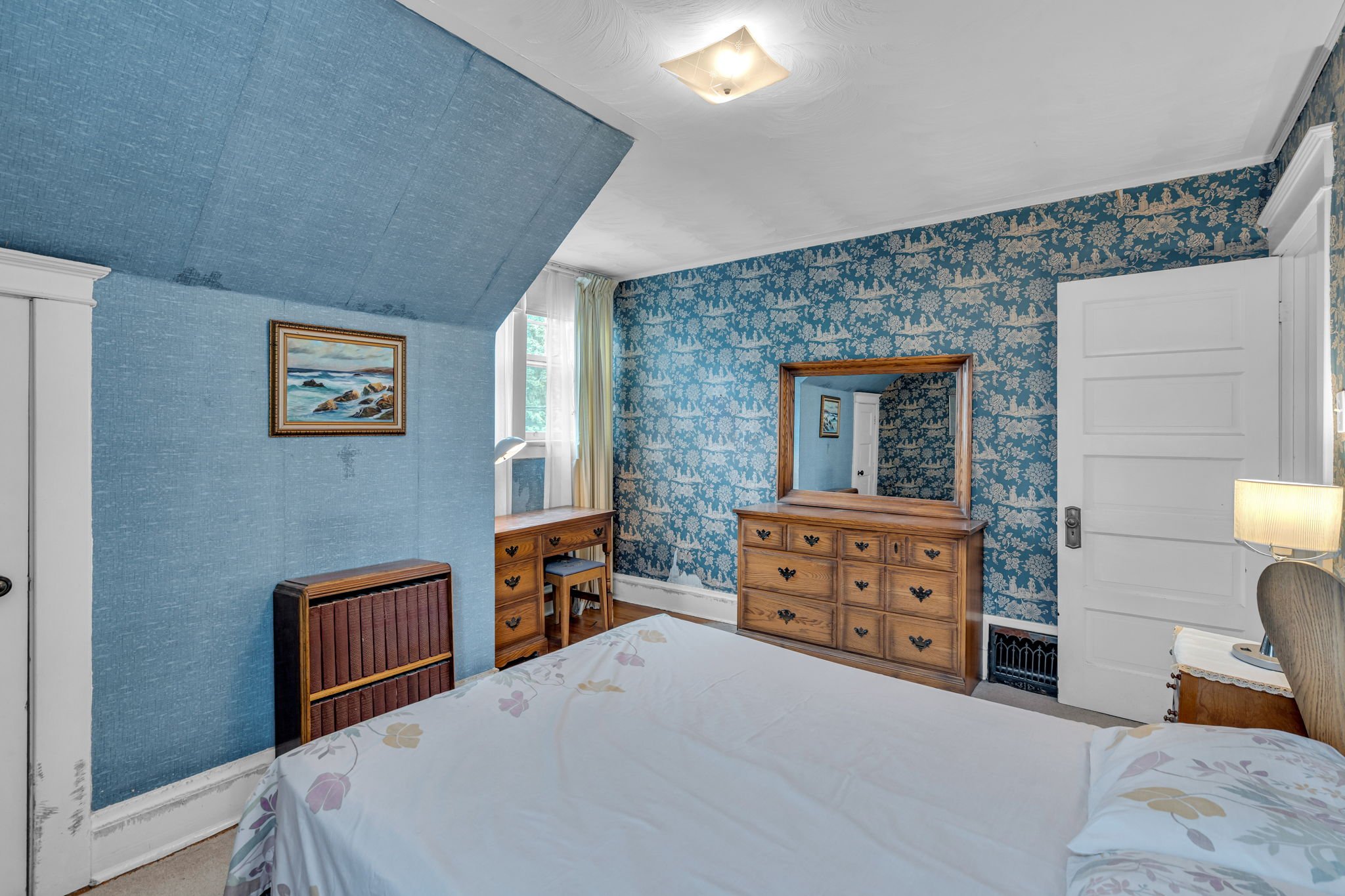
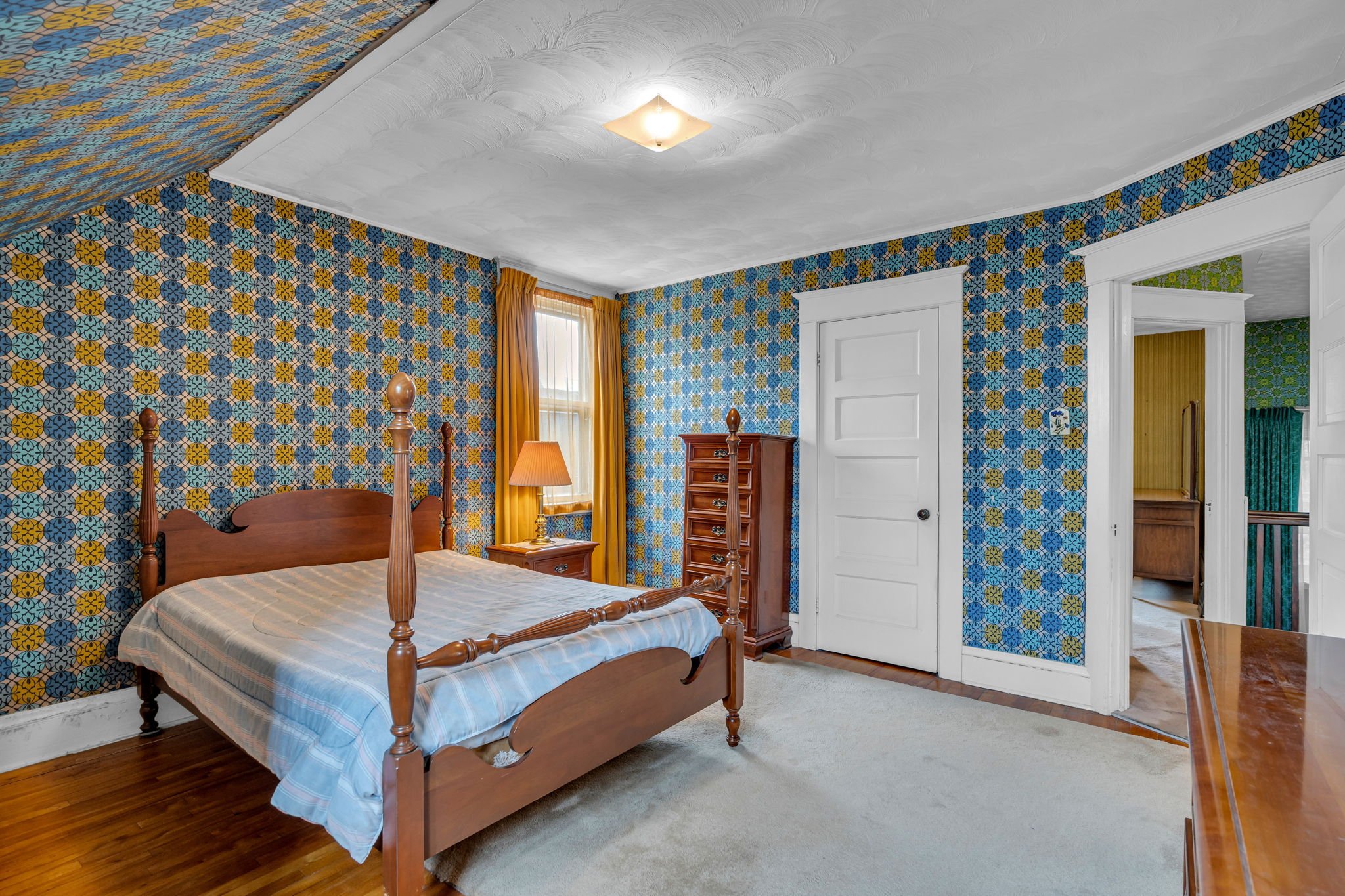
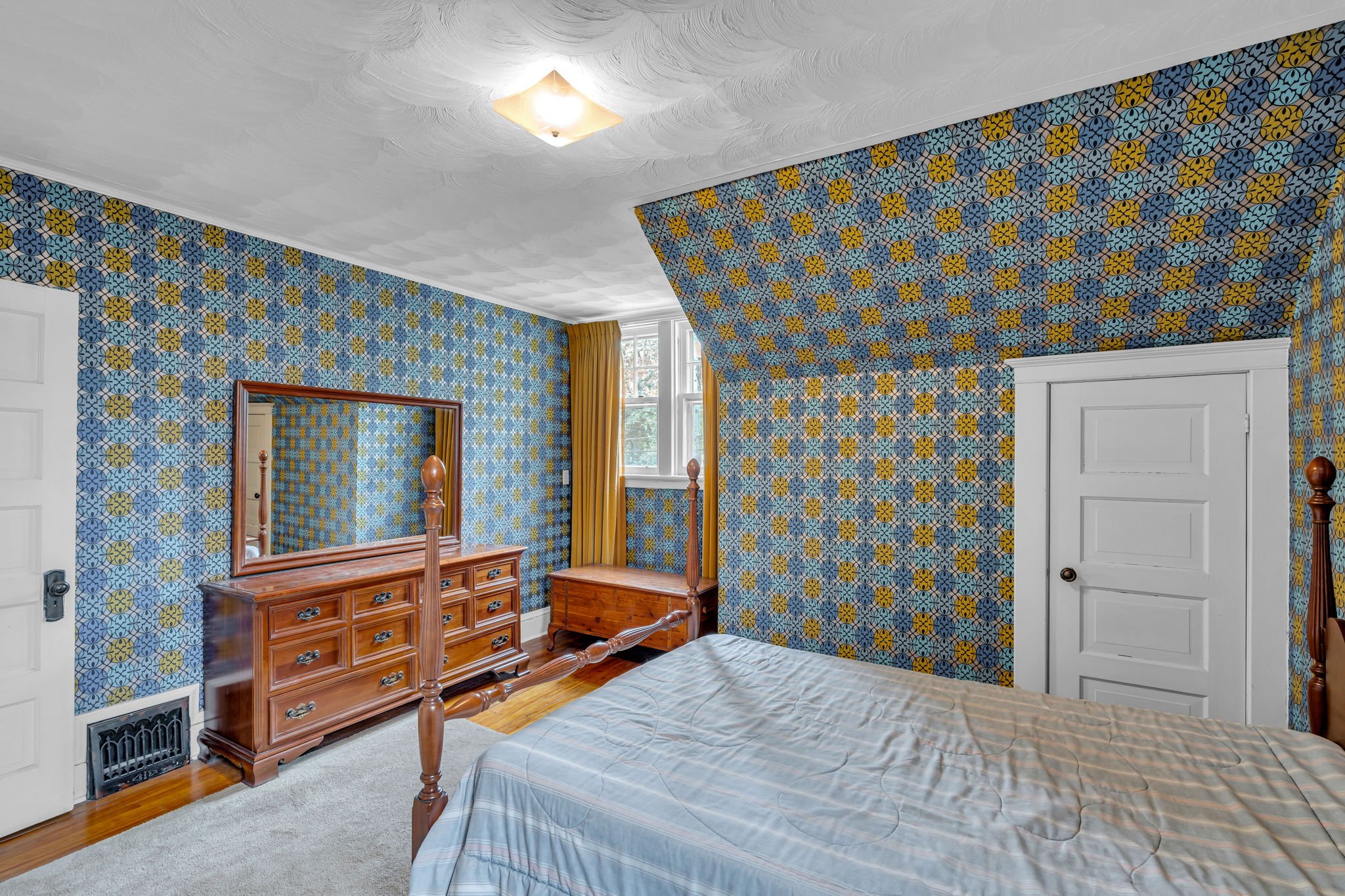
Primary:
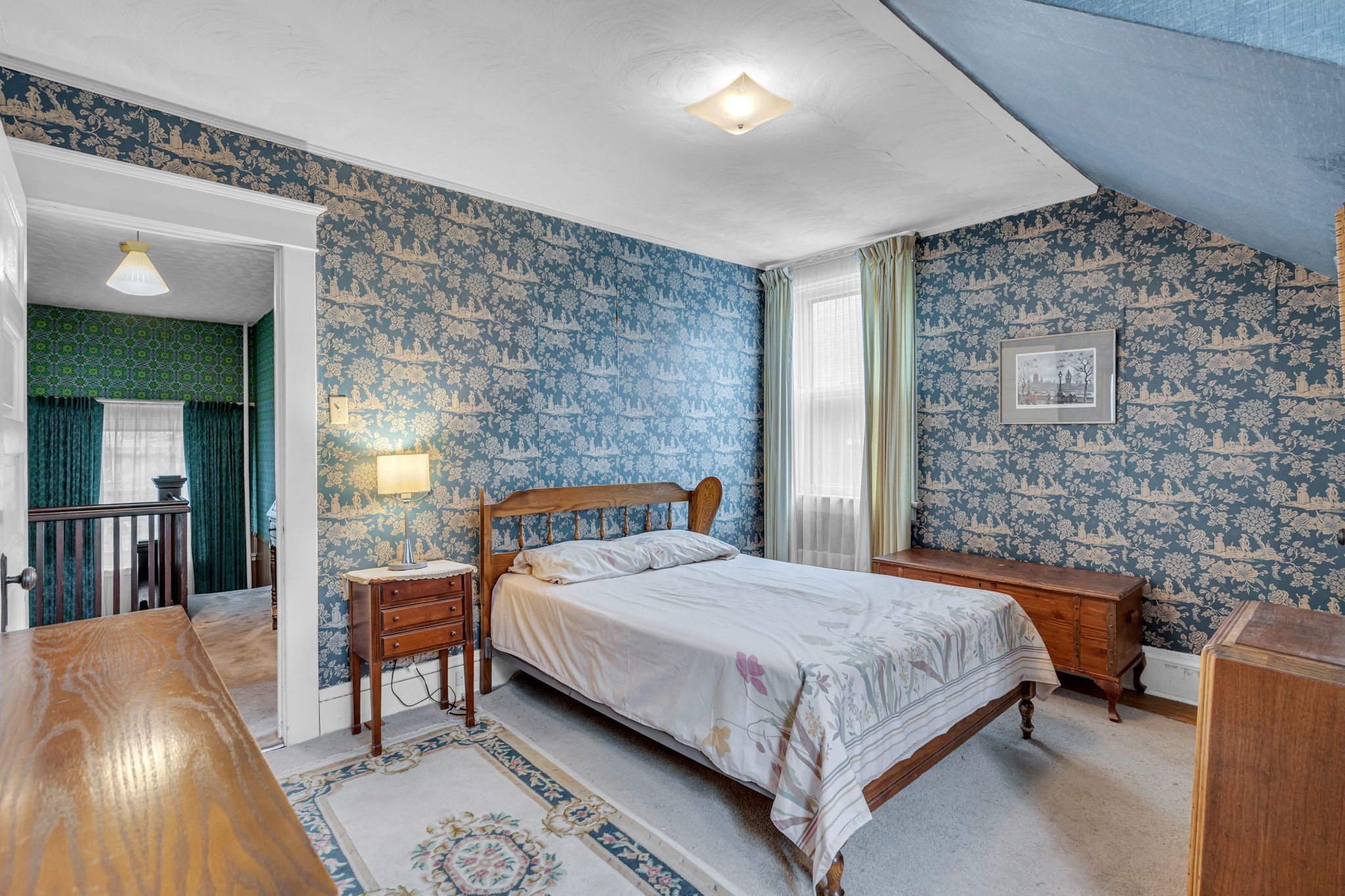
Bedroom:
Bedroom: Bedroom:
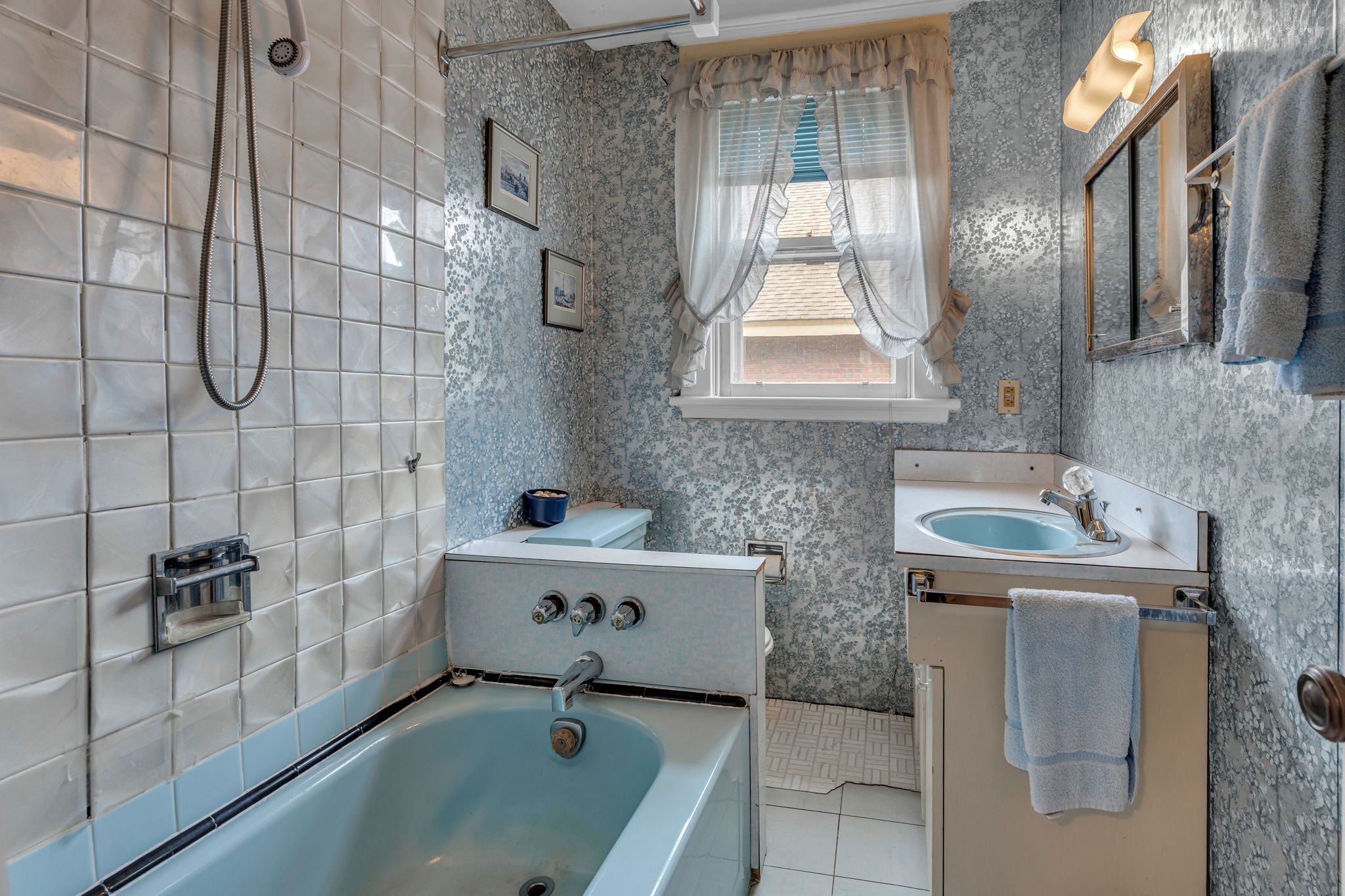
4pc Bath:
Level
Main. Main
Main
Main
Main
Main
Main
Second
Second
Second
Second. Second
Dimensions
15’0” X 12’ 7” 11’1” x 9’3”
13’11” X 12’6”
10’10” x 7’7”
4’5” x 2’11”
14’5” x 6’4”
14’6” x 4’10”
14’2” x 13’5”
13’6” x 12’6”
12’6” x 11’3”. 10’3” x 7’11”
7’11’ x 5’10”
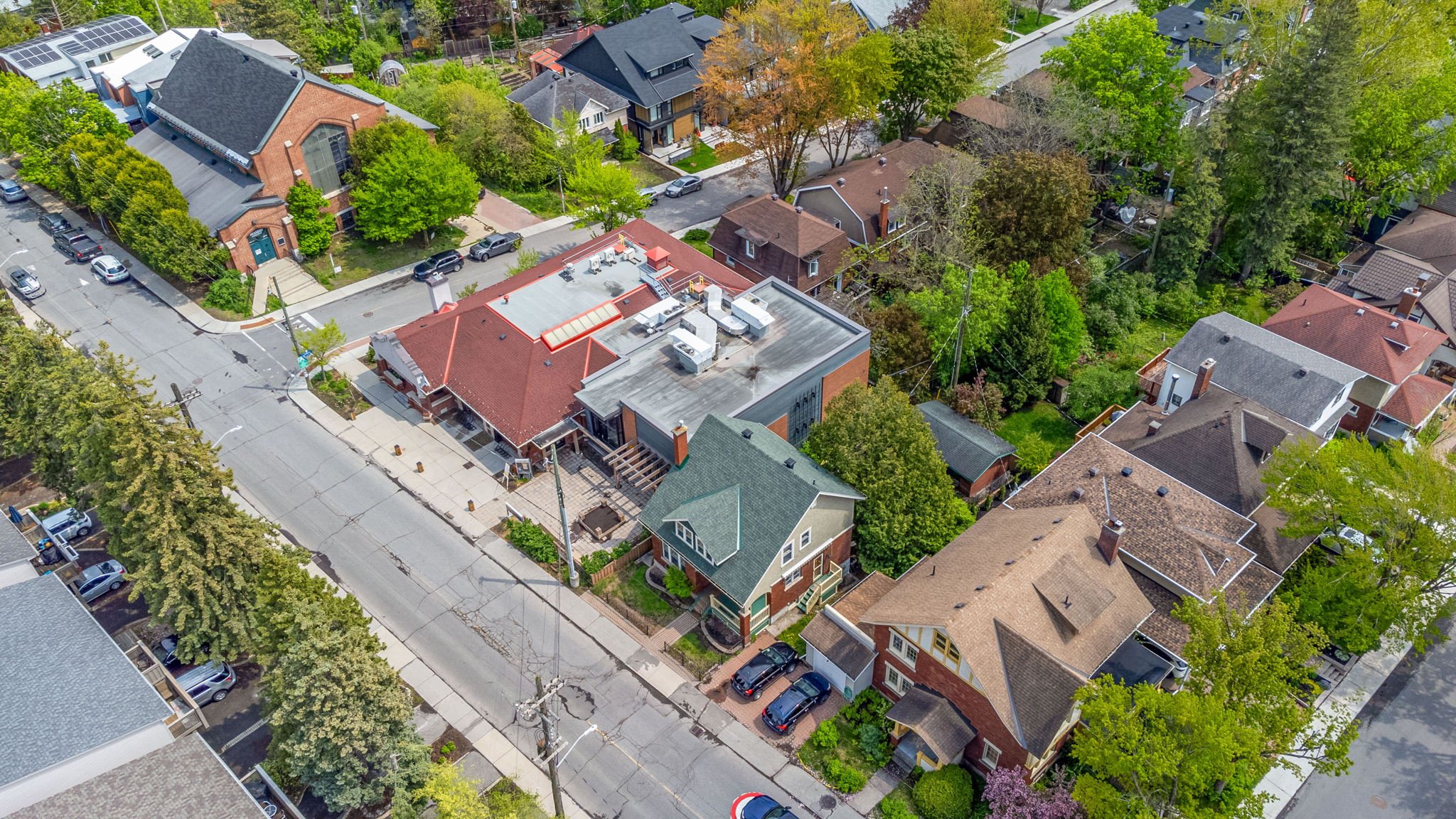
Old Ottawa South
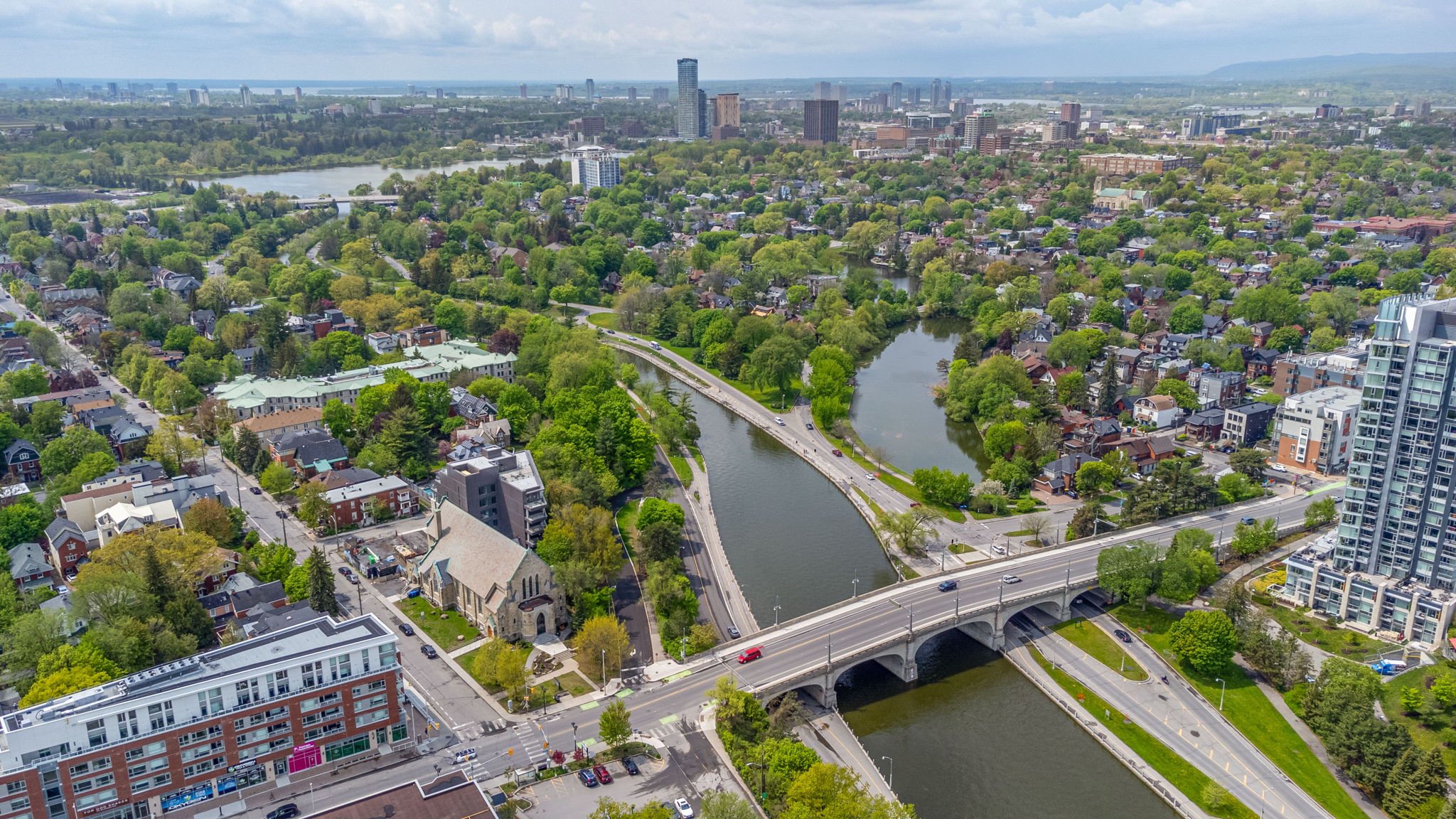
The first European residents settled along the north shore of the Rideau River (today’s Windsor Park) in the 1810s. Over the next few decades, a small community evolved, including a hotel, church, mill and school. However, it was still considered far from Bytown until Bank Street was extended over the canal on a wooden bridge in 1866. In the latter half of the 1800s, suburbs were laid out west of Bank Street.
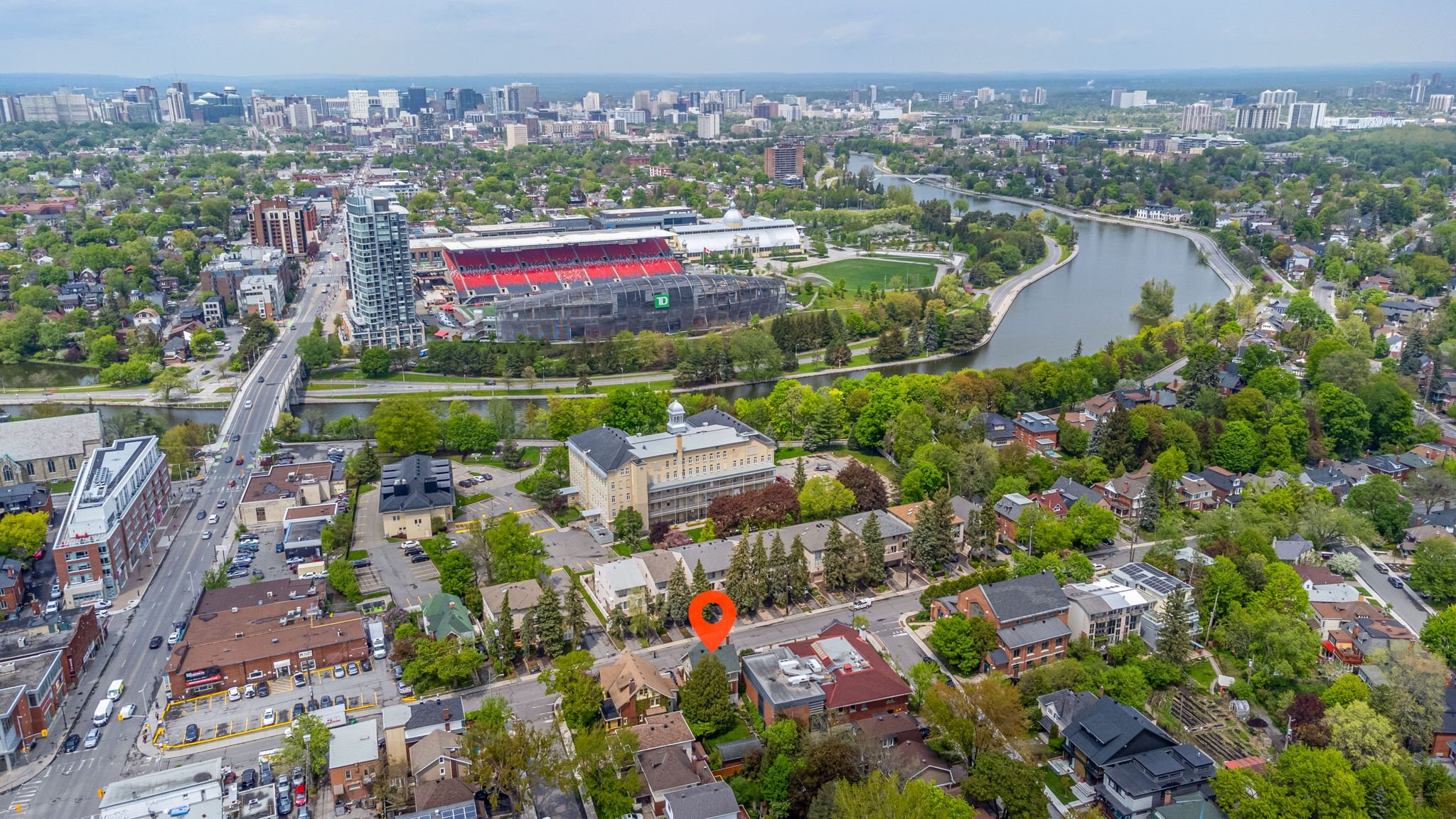
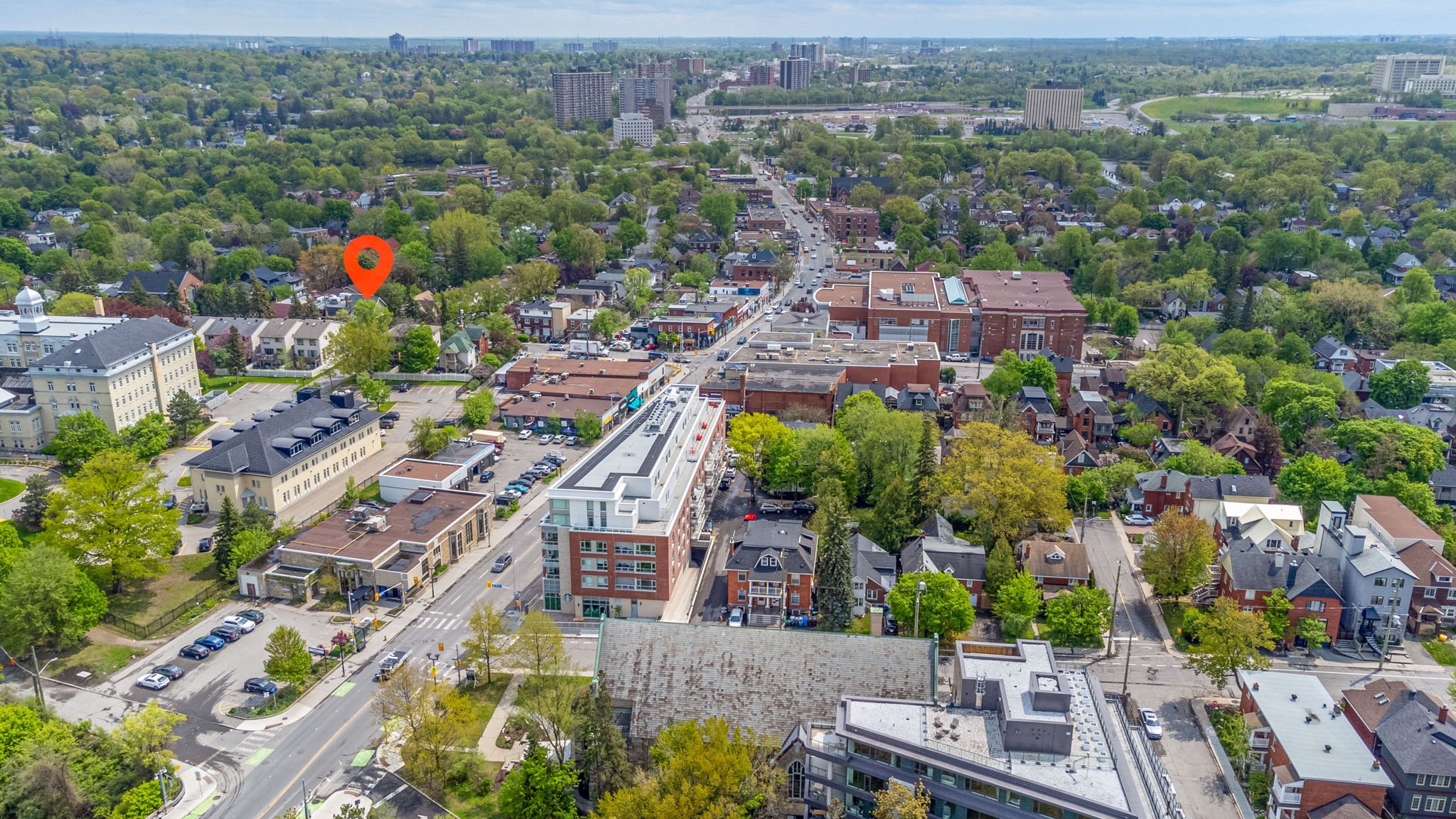
Things really took off after the City of Ottawa annexed the neighbourhood (1907), built the sturdier Bank Street Canal Bridge (1912) and extended the streetcar line across the canal along Bank Street (1913). Growth continued steadily, spurred when Carleton University moved to its current campus in 1959. Once a popular student neighbourhood, Old Ottawa South began gentrifying in the 1970s and 1980s. Compared to many other central neighbourhoods, it has seen relatively little condo or high-rise development, but modern infills are increasingly common, and pedestrian-friendly Bank Street is now lined with independent shops and restaurants.